
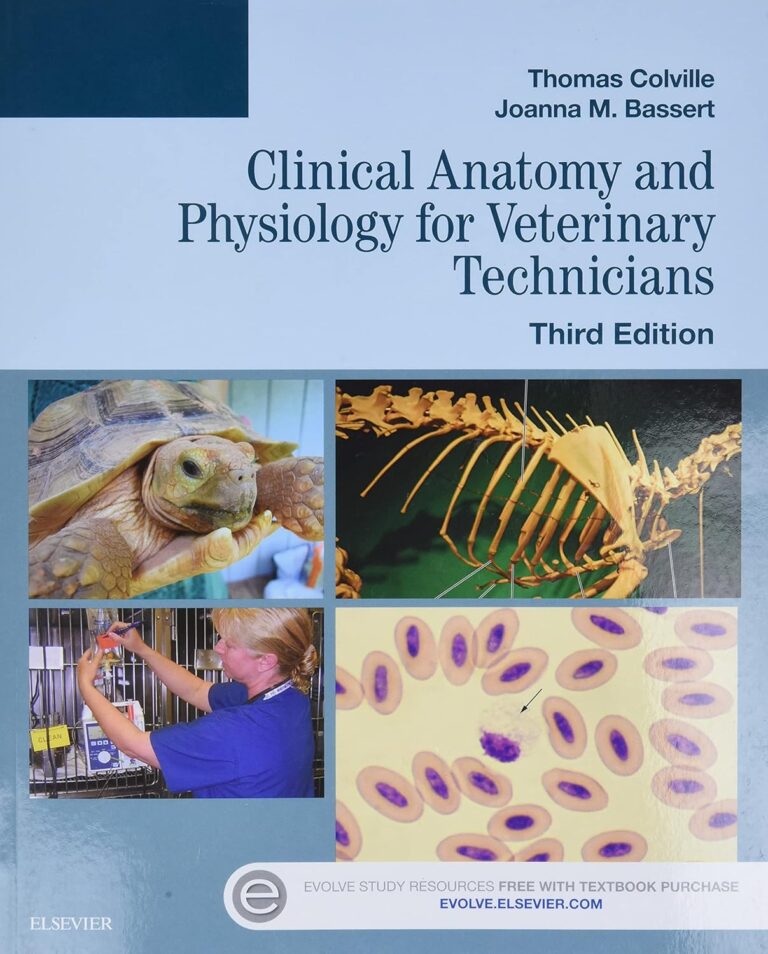
Clinical Anatomy and Physiology for Veterinary Technicians 3rd Edition
$16.99Updated third edition textbook covering veterinary anatomy and physiology with expanded clinical applications and learning tools.
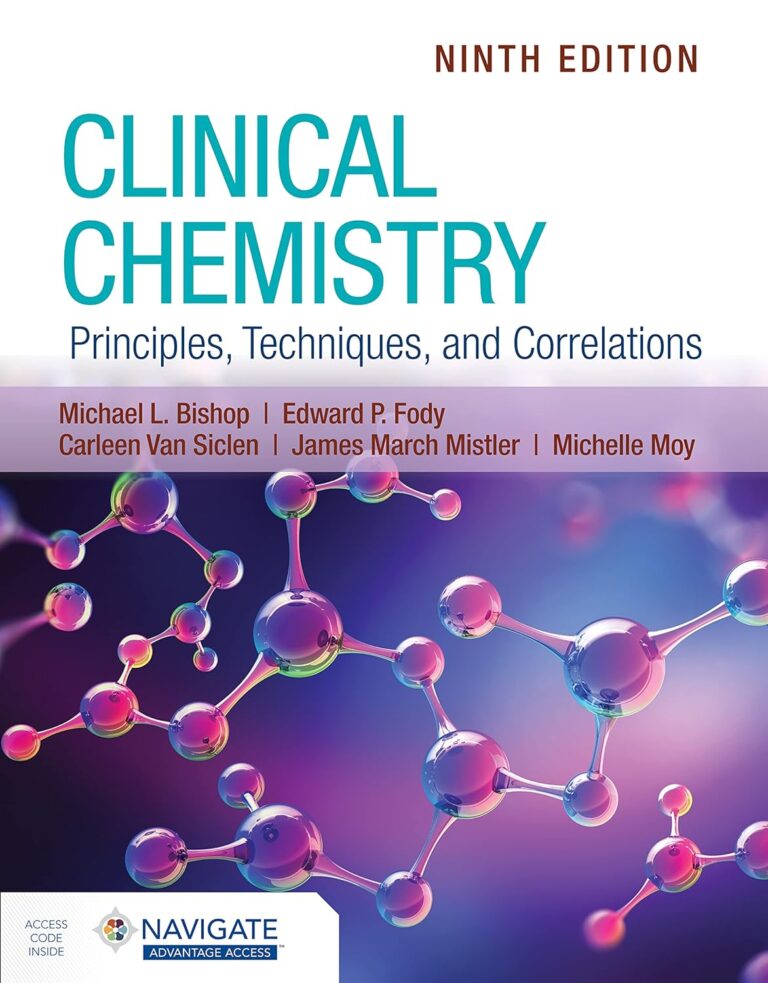
Clinical Chemistry: Principles, Techniques, and Correlations
$16.99Clinical Chemistry: Principles, Techniques, and Correlations, Ninth Edition is the most student-friendly clinical chemistry text available today. The Ninth Edition keeps students at the forefront of what continues to be one of the most rapidly advancing areas of laboratory medicine with clear explanations that balance analytic principles, techniques, and correlation of results with coverage of disease states. The book not only demonstrates the how of clinical testing, but also the what, why, and when of testing correlations to help students develop the knowledge and interpretive and analytic skills they’ll need in their future careers.
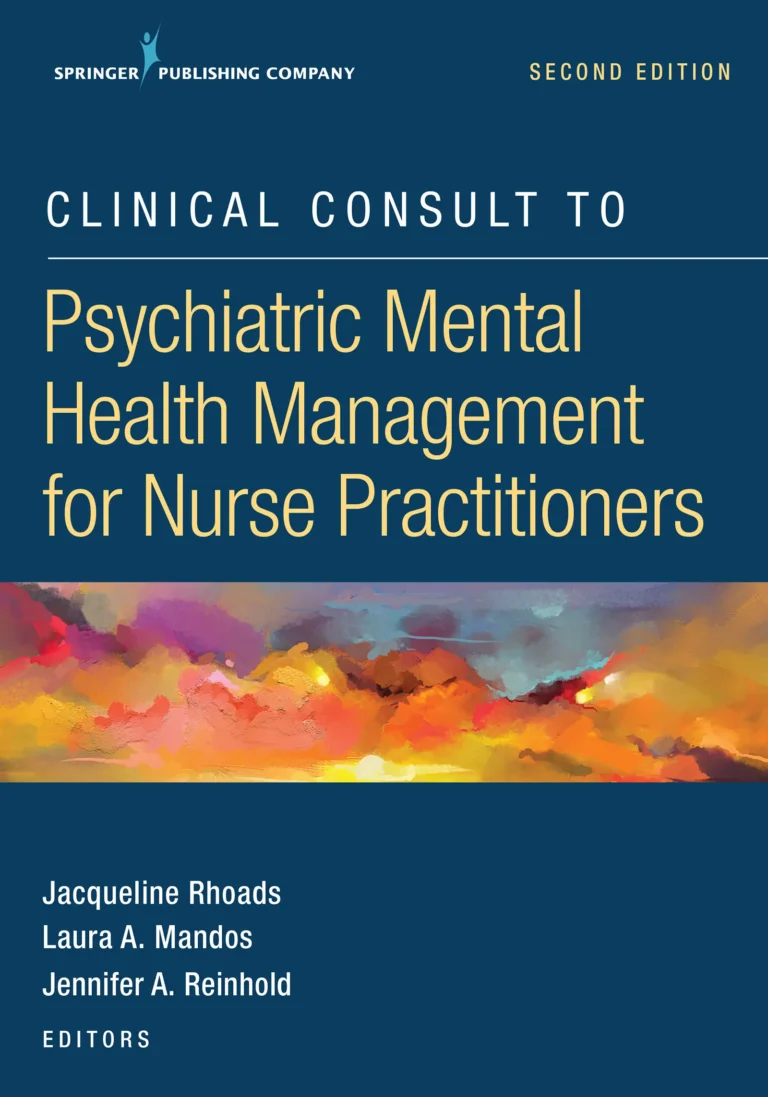
Clinical Consult to Psychiatric Mental Health Management for Nurse Practitioners, Second Edition – A Convenient, Practical, and Portable Guide of the Major DSM-5 Disorders
$16.99Convenient, practical, and portable.
Revised and updated, the second edition of this practical resource remains the only advanced practice guide to provide an overview of the major DSM-5 disorders across the lifespan and complete clinical guidelines for their psychopharmacologic management. Compiled by expert practitioners in psychiatric care and pharmacy, it is designed specifically for use by nurse practitioners and other primary caregivers in clinical practice.
Organized for quick access to key information, this health psychology resource includes the clinical features of each disorder, its symptoms, and information about the most current and effective medications for its management. Tables outline first- and second-line drug therapies along with adjunctive treatment options for each disorder. Medications are organized by classification and include the essential information needed to safely prescribe and monitor a patient’s response. Brand and generic names, drug class, customary dosage, side effects, drug interactions, pharmacokinetics, precautions, and guidance for managing special populations are also covered. Convenient, practical, and portable, this guide is an invaluable reference for everyday clinical practice.
**Key Features:**
* Delivers psychopharmacologic treatment guidelines for major DSM-5 disorders and parameters for medication use.
* Prioritizes medications according to their clinical efficacy and recommended treatment algorithms.
* Includes brand and generic names, dosages, side effects, drug interactions, pharmacokinetics, precautions, and management of special populations.
* Provides easy-to-read tables for quick clinical consultation.
* Offers information on clinical algorithms, laboratory evaluation, and preventive services.
* Addresses medical and legal pitfalls.
**Publisher:** Springer Publishing
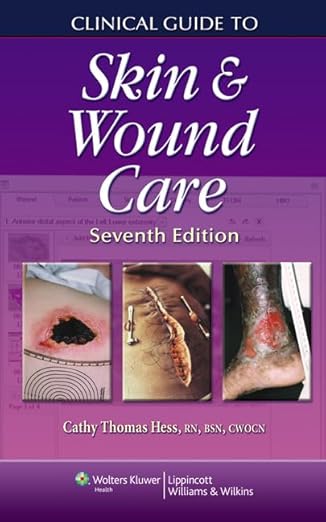
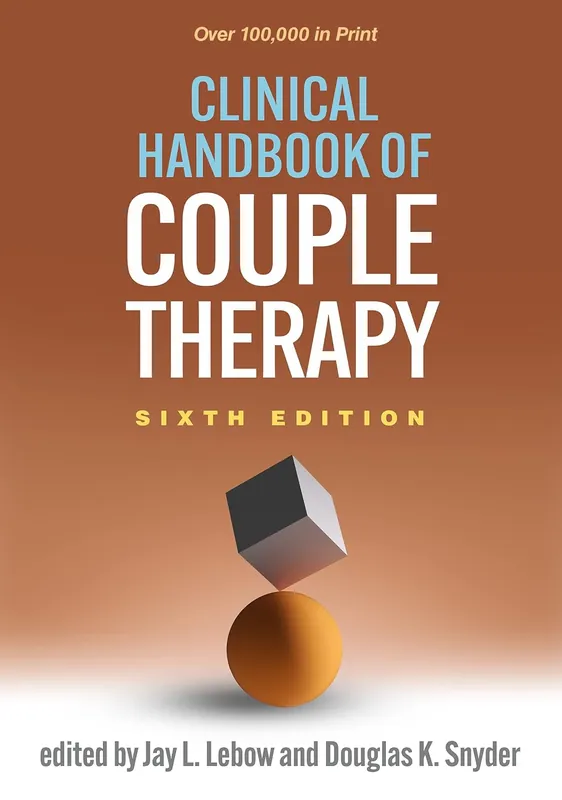
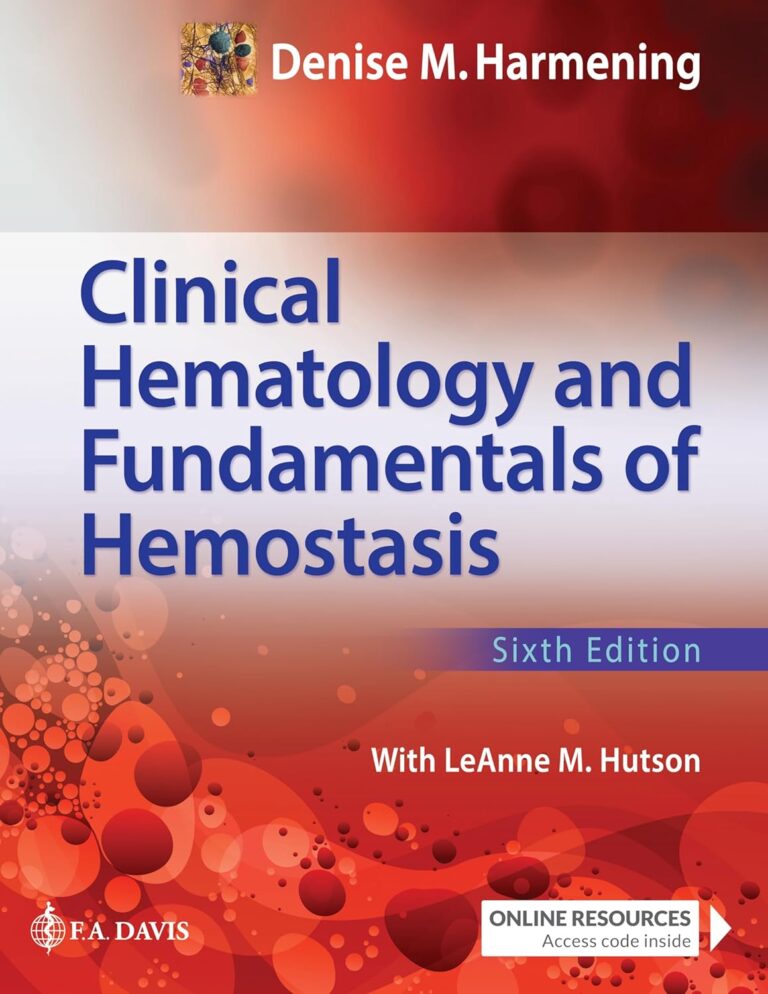
Clinical Hematology and Fundamentals of Hemostasis
$16.99A full-color text, lab manual, & atlas—all in one!
Here are all the tools medical laboratory science students need to master the principles of hematology and the fundamentals of hemostasis. Author Denise M. Harmening has curated contributions from a team of expert educators and clinicians. With support from her Associate Editor LeAnne Hutson, she brings you comprehensive, yet focused coverage that prepares you for the real world in which you will practice.
Begin with an introduction to clinical hematology and the anemias, and then progress through white blood cell disorders and hemostasis to thrombosis and laboratory methods. Find step-by-step laboratory procedures and critical-thinking cases online at FADavis.com for easy access anytime, anywhere.
My lifeline. “Without this book learning hematology would and could have been so much harder. The questions at the back of each chapter are very helpful. Especially the charts and diagrams.”—Online Student Reviewer
Hematology textbook.“… a really good hematology reference book… A good range of really nice pictures and graphics as well as much information about each of the topics as you will need for a 2-year, 4-year degree and beyond. Well laid out information allows for easier understanding despite the depth of knowledge portrayed.”—J.L., Online Reviewer
New & Updated! All chapters updated with current evidence, statistics, and current policies and practices, including WHO and other international consensus classifications of hematological pathologies.
New! “Critical-Thinking Questions” assess understanding of the content.
New & Updated! “Case Studies” are followed by questions about the interpretation of laboratory findings.
New! “Advanced Concept” boxes designate higher level content.
New & Updated! Laboratory methods for routine hematology tests, coagulation, automated differential analysis, flow cytometry, and more, with detailed, step-by-step instructions online.
New! Glossary terms appear in bold and acronyms are spelled out the first time they are used.
More than 900 full-color illustrations, tables, and boxes help students master difficult concepts and procedures.
“Summary Charts” serve as a review tool.
“Review Questions” assess mastery of the Learning Objectives; correct answers appear in the back of the book.
Chapter-specific key terms appear in boldface type with full definitions in the Glossary.
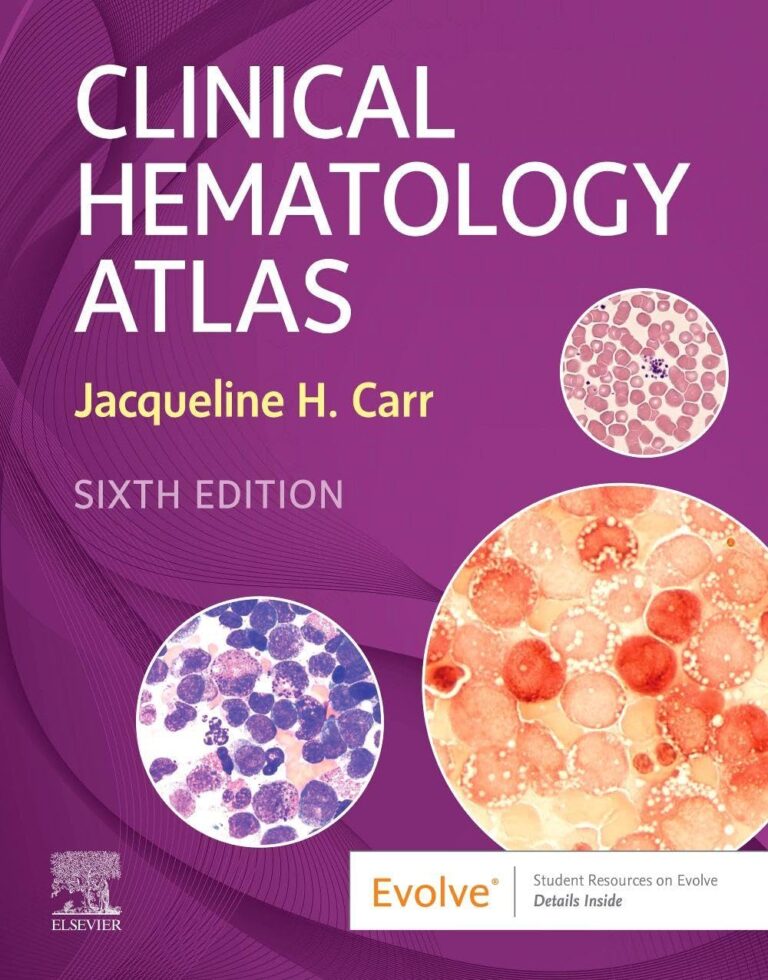
Clinical Hematology Atlas
$16.99Learn how to accurately identify cells at the microscope with Clinical Hematology Atlas, 6th Edition. An excellent companion to Rodak’s Hematology: Clinical Principles and Applications, this award-winning atlas offers complete coverage of the basics of hematologic morphology, including examination of the peripheral blood smear, maturation of the blood cell lines, and information on a variety of clinical disorders. Vivid photomicrographs, schematic diagrams, and electron micrographs clearly illustrate hematology from normal cell maturation to the development of various pathologies so you can be certain you’re making accurate conclusions in the lab.
Schematic diagrams, photomicrographs, and electron micrographs in every chapter visually enhance student understanding of hematologic cellular morphology
Compact size, concise text, and spiral binding make it easy to carry and reference this atlas in the laboratory
Chapter on normal newborn peripheral blood morphology covers the normal cells found in neonatal blood
Chapter on body fluids illustrates the other fluids found in the body besides blood, using images from cytocentrifuged specimens
The most common cytochemical stains, along with a summary chart for interpretation, are featured in the leukemia chapters to assist in the classification of both malignant and benign leukoproliferative disorders
Chapter featuring morphologic changes after myeloid hematopoietic growth factors is included in the text
Morphologic abnormalities coverage in the chapters on erythrocytes and leukocytes, along descriptions of each cell, presents this information in a schematic fashion
Appendix with comparison tables of commonly confused cells includes lymphocytes versus neutrophilic myelocytes and monocytes versus reactive lymphoctyes to help students see the subtle differences between them
Glossary of hematologic terms at the end of the book provides a quick reference to easily look up definitions
NEW! Revised chapters include updates based on extensive reviewer feedback
NEW! Updated photos reflect the most up-to-date information and latest advances in the field
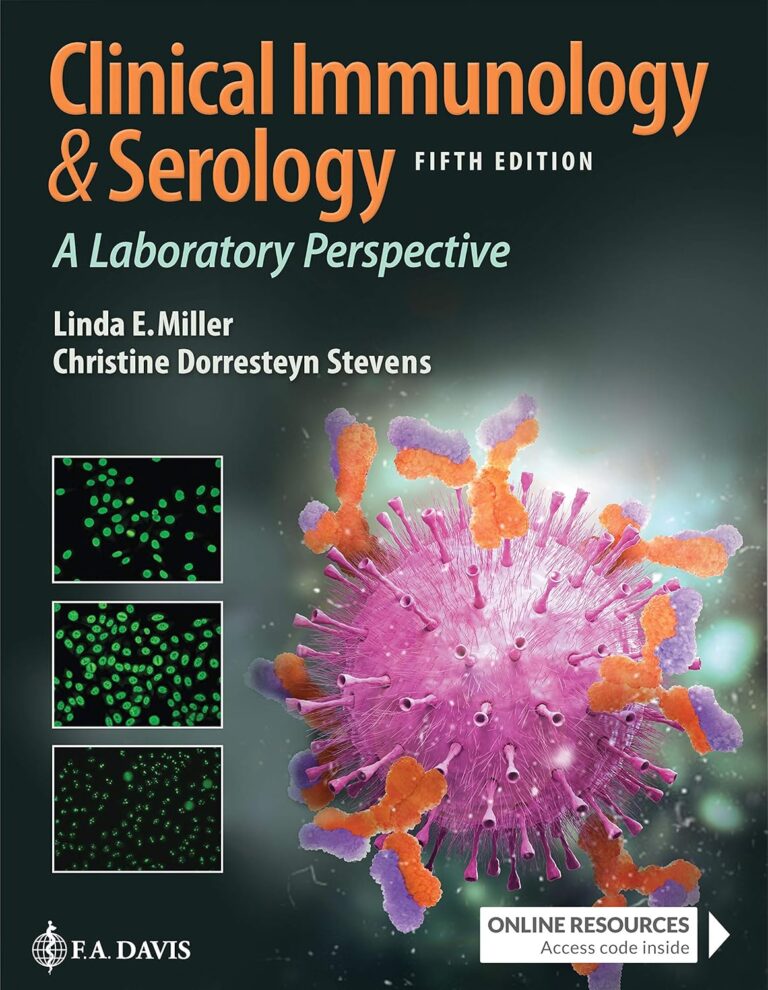
Clinical Immunology and Serology: A Laboratory Perspective
$16.99The perfect balance of theory and practice!
Here’s the practical introduction you need to understand the essential theoretical principles of clinical immunology and the serological and molecular techniques commonly used in the laboratory. You’ll begin with an introduction to the immune system; then explore basic immunologic procedures; examine immune disorders; and study the serological and molecular diagnosis of infectious disease.
An easy-to-read, student-friendly approach emphasizes the direct application of theory to clinical laboratory practice. Each chapter is a complete learning module with learning outcomes, chapter outlines, theoretical principles, illustrations, and definitions of relevant terminology. Review questions and case studies help you assess your mastery of the material. A glossary at the end of the book puts must-know information at your fingertips.
An access code inside new printed texts unlocks Lab Exercises and Branching Case Studies online at FADavis.com that offer more opportunities to apply theory to clinical laboratory practice.